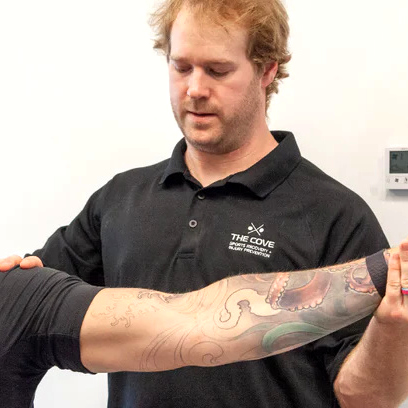
Stretching is a fundamental aspect of human movement that goes far beyond simple warm-ups. While it's often associated with increased flexibility, the science reveals a complex interplay of neurological and physiological mechanisms.
From athletes striving for peak performance to desk-bound workers seeking relief, understanding how and when to stretch unlocks the door to enhanced well-being and physical prowess.
The Mechanisms: What is actually happening?
At its core, stretching involves elongating muscle fibers, tendons, and connective tissues. This physical action stimulates various physiological responses:
- Muscle Fiber Lengthening: Stretching increases the length of muscle fibers and fascia (the connective web wrapping your muscles). As muscles elongate, the body adapts by altering the structure of sarcomeres—the functional units of muscle—leading to increased extensibility.
- Blood Flow Enhancement: Stretching promotes blood flow to the tissue, aiding in nutrient delivery and waste removal. This increased circulation contributes to relaxation and repair.
- Neuromuscular Adaptations: This is the big one. Stretching engages the nervous system by stimulating muscle spindles and Golgi tendon organs. These receptors provide sensory feedback that influences muscle tone. Often, you aren't physically "short"; your nervous system is just holding the muscle tight for protection. Stretching helps reset this sensitivity.
Technique: Static vs. Dynamic
Not all stretching is created equal. The "old school" method of holding a stretch for 30 seconds before a run is largely outdated. Here is how to distinguish between the two main types:
1. Dynamic Stretching (Motion)
What it is: Moving joints through their full range of motion in a controlled, repetitive manner (e.g., leg swings, arm circles, lunges with a twist).
Best for: Pre-Workout. It increases body temperature, wakes up the nervous system, and primes the specific muscles you are about to use without reducing their power output.
2. Static Stretching (Hold)
What it is: Extending a muscle to the point of mild discomfort and holding it for 15-60 seconds.
Best for: Post-Workout or Recovery Days. Static stretching signals the "rest and digest" (Parasympathetic) nervous system. It helps reduce muscle tension and lengthen tissue after it has been contracted repeatedly during exercise.
Fascinating Insights: Did You Know?
- Animals Do It Instinctively: Watch a cat or dog wake up. They naturally engage in stretching to prepare their bodies for action. It is a primal instinct that humans often suppress or forget.
- The Aging Antidote: As we age, our bodies lose collagen and tissue elasticity, leading to stiffness. Regular stretching is the only way to counteract this natural biological process.
- It's All in the Mind: Stretching activates the parasympathetic nervous system (rest and digest). It isn't just physical; it chemically reduces stress hormones and promotes mental clarity.
Timing: The Golden Rules
If you take nothing else away from this guide, remember this simple timing protocol to maximize performance and minimize injury risk:
- Before Activity: Keep it Dynamic.
Goal: Activation. Do not perform long static holds before heavy lifting or sprinting, as research shows this can temporarily decrease muscle power and stability.
- After Activity: Go Static.
Goal: Down-regulation. This is the time to lengthen the tissues while they are warm and pliable.
- Separate Sessions: If you have a specific mobility restriction (like locked-up hips), dedicate a separate 20-minute session to it. Don't try to force range of motion right before a max-effort lift.
Benefits of a Consistent Routine
Regular stretching does more than just let you touch your toes. It promotes optimal alignment, reduces the risk of musculoskeletal injuries, and helps prevent the muscle imbalances that lead to chronic pain.
As we age, our natural flexibility decreases due to changes in collagen content. Engaging in regular, intelligent stretching is the single best way to counteract these effects and maintain a youthful range of motion.
Need a custom mobility plan?
If you are unsure which tight spots are holding you back, we need to determine if you need stability, strength, or pure mobility work. `Come and see me for an MST session. Now located inside Train West Van.
Book your appointment now